
BlogAgentic AI
Why Checkpointing Is Not Agentic Durable Execution for Production AI Agents
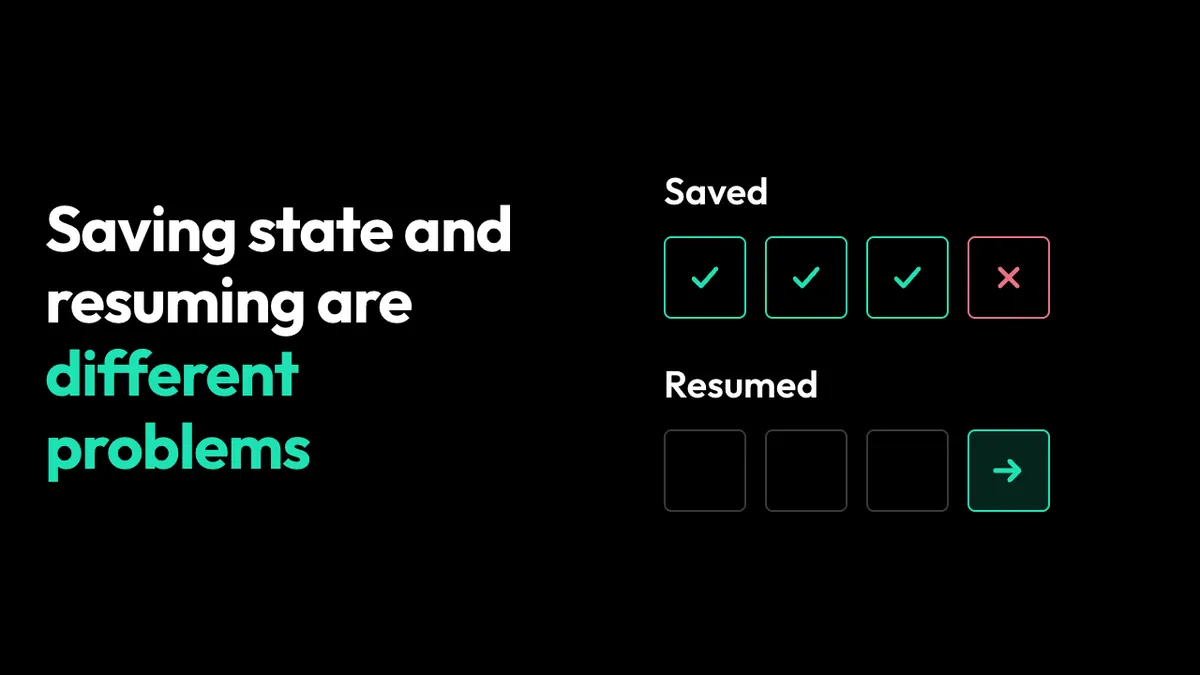
Saving state is the easy half. Resuming from the failing step is the half that decides whether your agent reaches production.
August 14, 20266 min
Insights, tutorials, and news about AI agents, workflows, Dapr and cloud-native development.
Saving state is the easy half. Resuming from the failing step is the half that decides whether your agent reaches production.
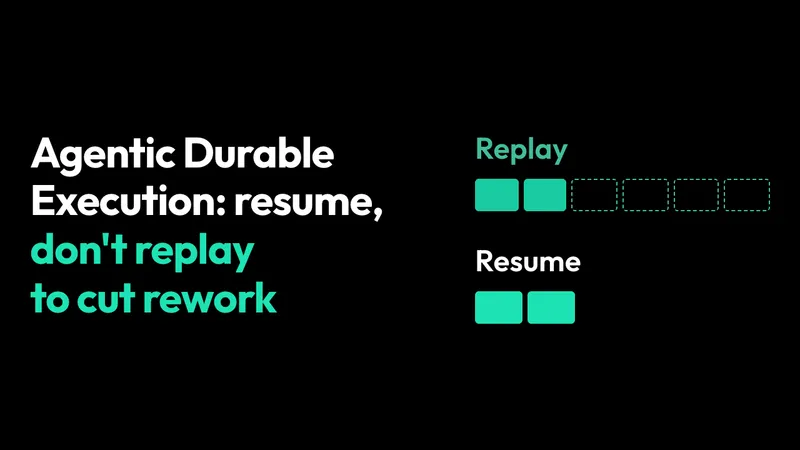
Long-running AI agents re-spend tokens on every completed step after a failure. Agentic durable execution ends the rework by resuming at the failure point instead of restarting from the top.

If you ship software into the EU with Dapr inside it, the CRA makes those vulnerabilities yours to remediate. Reporting obligations start 11 September 2026.
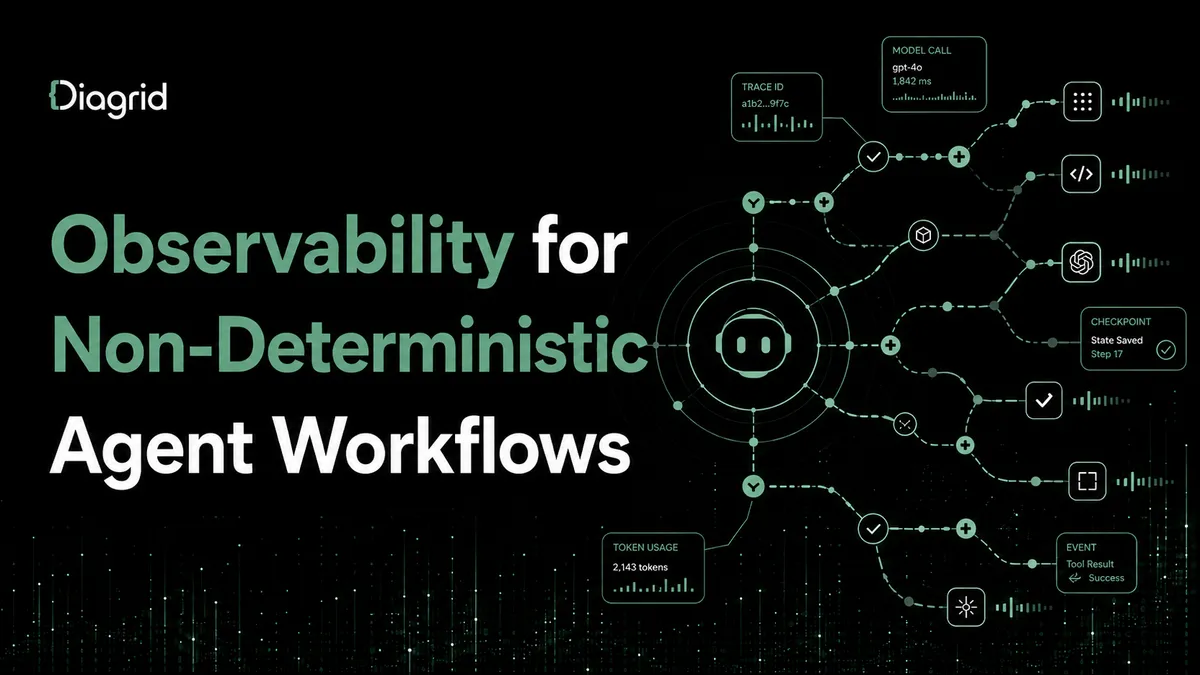
When an agent fails overnight, the record is already there. Diagrid Catalyst captures each step and the identity behind it from the runtime, with no instrumentation to maintain.
New release lets developers add cryptographic trust and automatic failure recovery to AI agents built on any major framework, without rewriting application code.
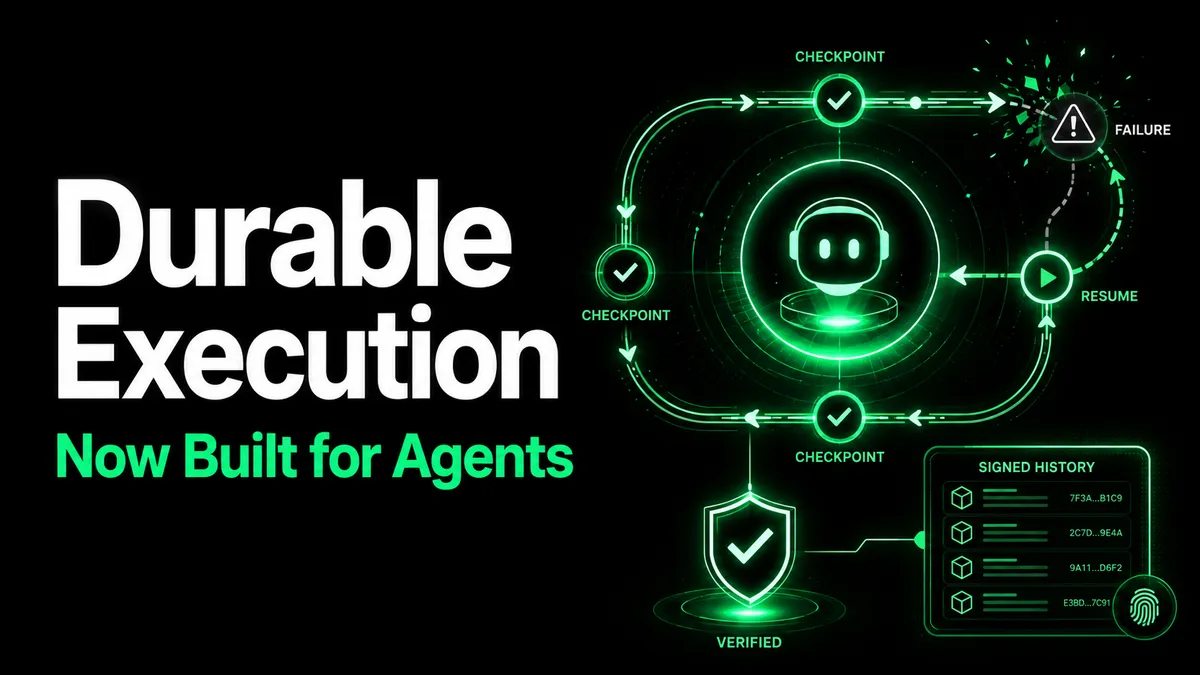
Agentic durable execution combines durable execution with cryptographic verification, so agents recover from failure and produce a tamper-proof record of every step. See how Diagrid Catalyst adds both under the agent framework you already use.
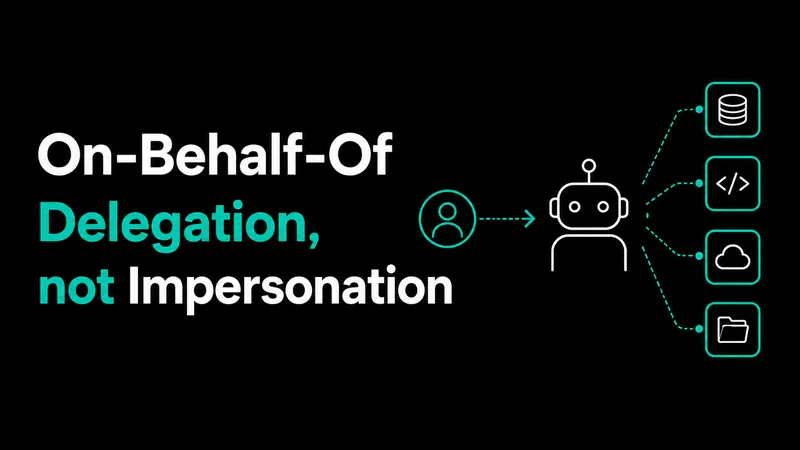
An agent acting under its own identity holds the union of everyone's permissions. On-Behalf-Of delegation binds every call to the person who actually asked.
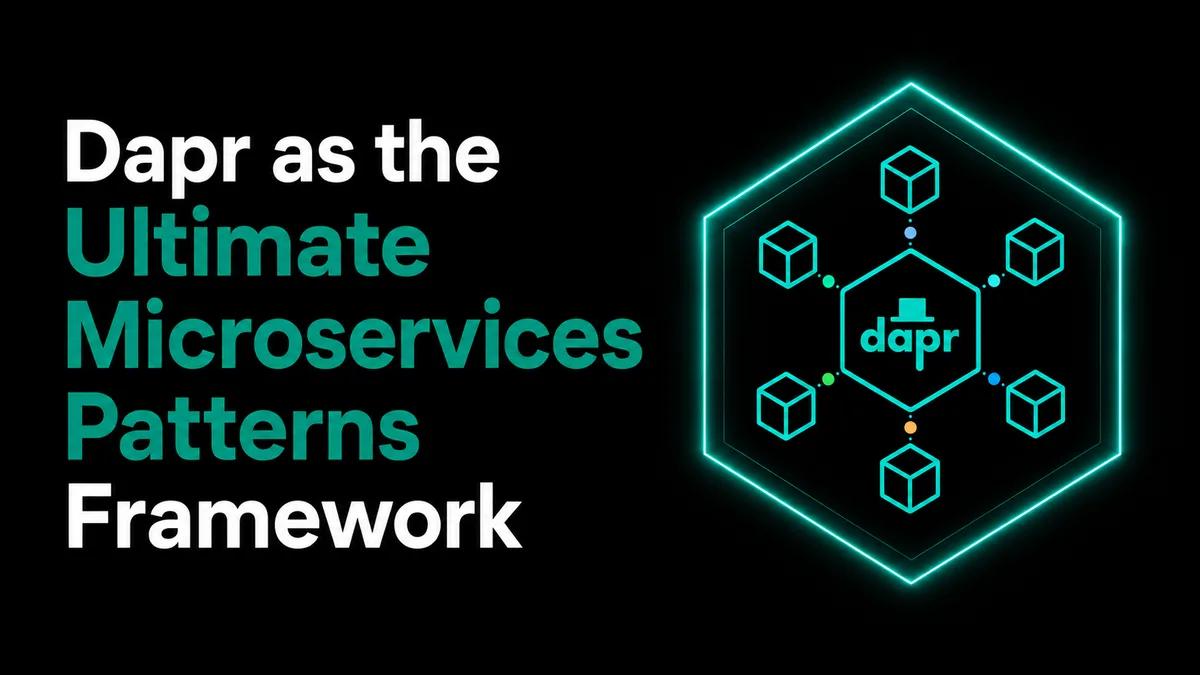
How Dapr implements the microservices patterns cataloged on microservices.io, from the microservice chassis and sidecar to saga, transactional outbox, and service discovery.
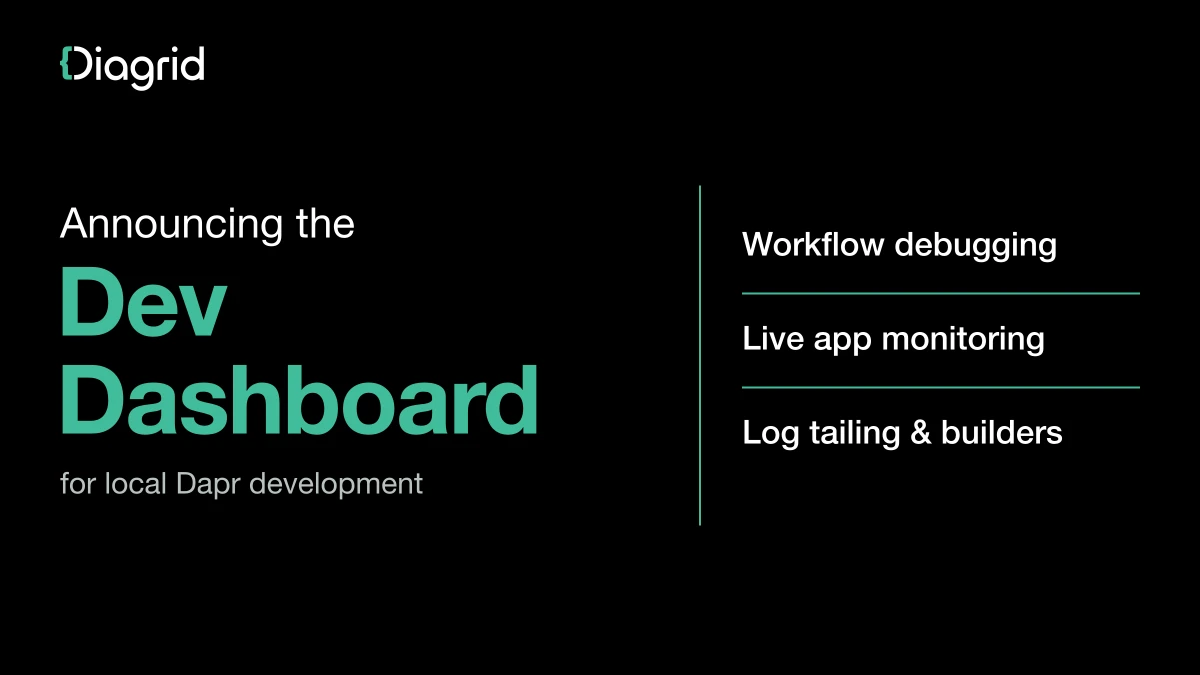
The Diagrid Dev Dashboard is a free, open-source companion for local Dapr development. Get a live view of your running apps, inspect and debug workflows, and build components and resiliency policies without hand-writing YAML.
Enterprises rarely know which agents reach their MCP servers or what they can do. See how Diagrid Catalyst governs MCP access with per-tool, default-deny authorization.
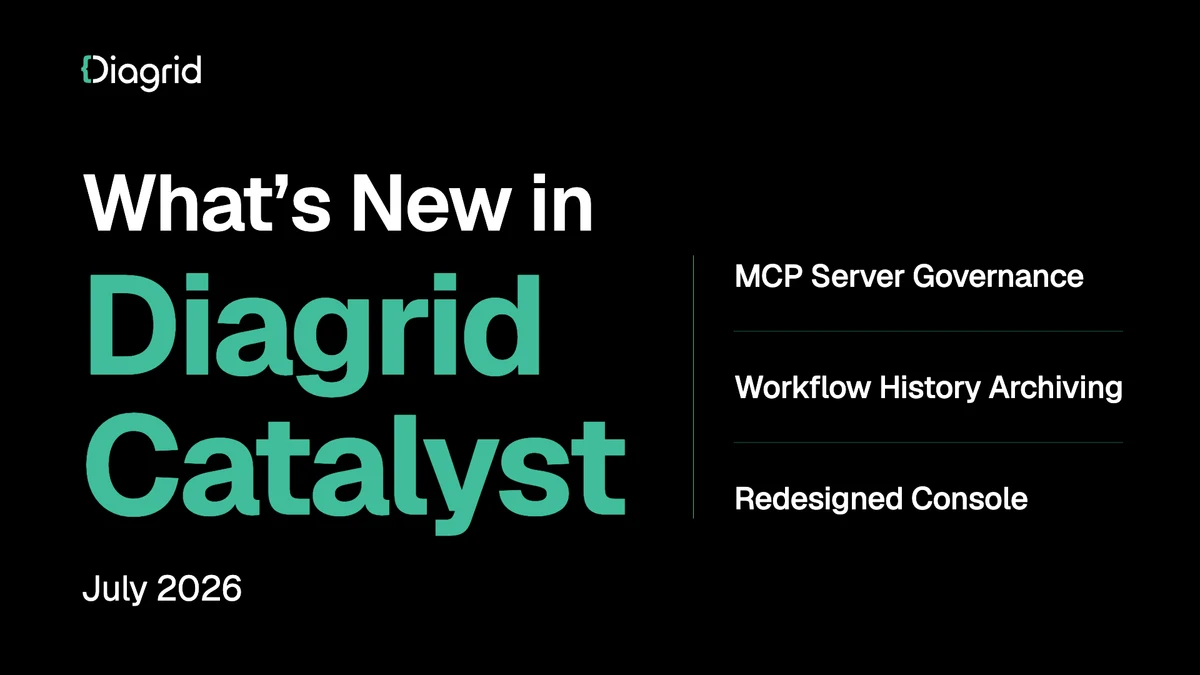
Diagrid Catalyst now controls which MCP servers and tools each agent can reach, and separates archiving from purging so you keep required workflow history and still reclaim database space.
The EU AI Act's high-risk rules need proof and control that observability can't reach. See how Diagrid Catalyst makes agent records tamper-evident and actions governed at runtime.

Agents in production act with shared keys and no record of which agent made which call. See how Diagrid Catalyst gives every workload a verifiable identity and enforces access in the data plane.

Agent spend is set at runtime by the agent's own decisions. See how per-task records in Diagrid Catalyst let a finance team model and bound the cost of running agents.
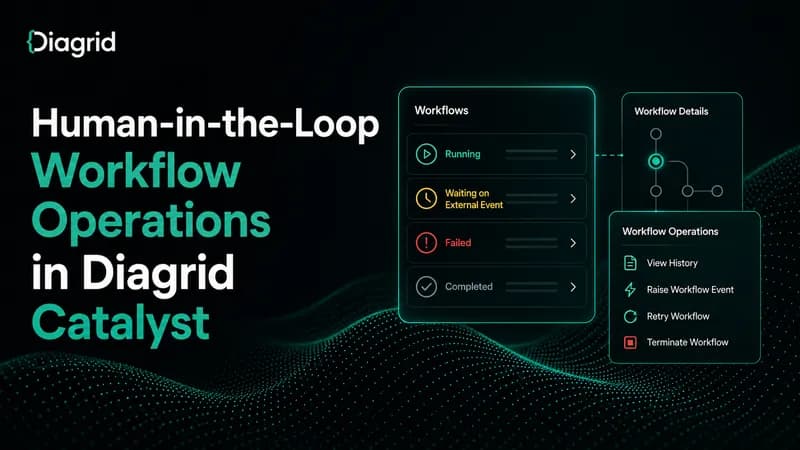
Find, inspect, and safely intervene on workflows that are running, failed, or waiting on an external event, using workflow operations in Diagrid Catalyst.
When an agent crashes at step forty-seven, it should resume there, not start over. Why durable execution belongs in the runtime, where framework checkpointers fall short, and how Catalyst on Dapr recovers crashed agent workflows automatically.
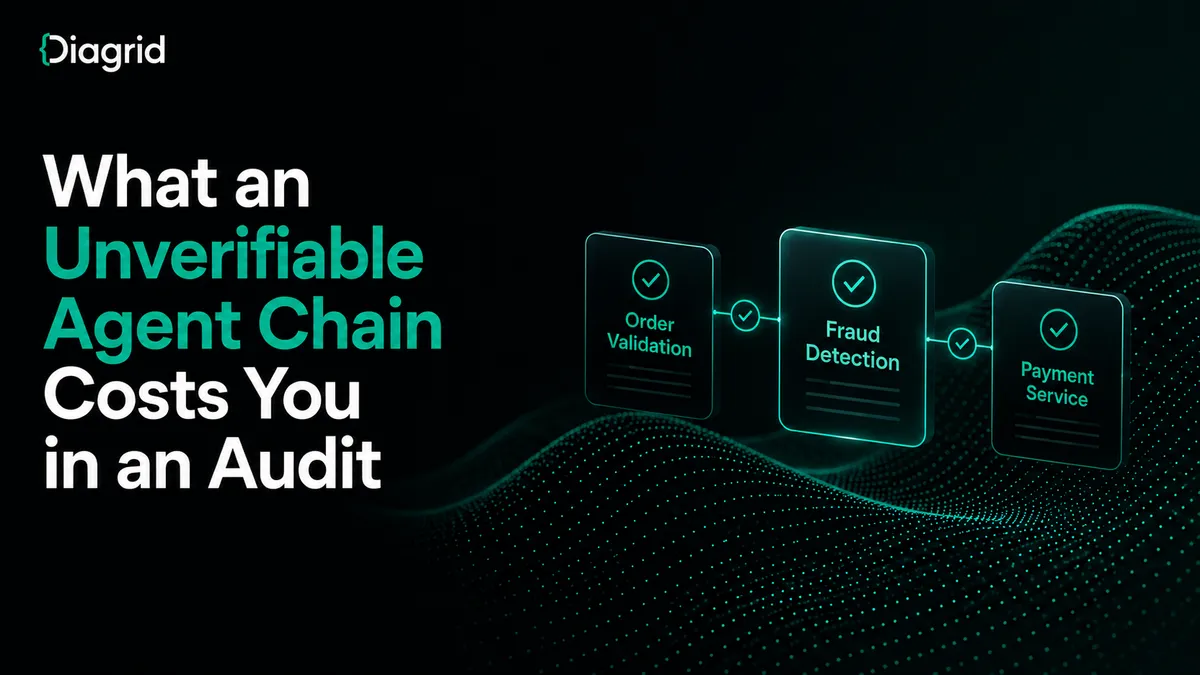
Why durable execution isn't enough for agent systems, and how Diagrid Catalyst, built on Dapr, brings verifiable execution lineage to agent workflows.
Catalyst now shows where workflows fail and reruns them in bulk from the failed step, finds workflows waiting on human input so you can unblock them, and runs in Catalyst Cloud or inside your own Kubernetes cluster.