
BlogDurable Execution
Making n8n Workflows Durable with Dapr
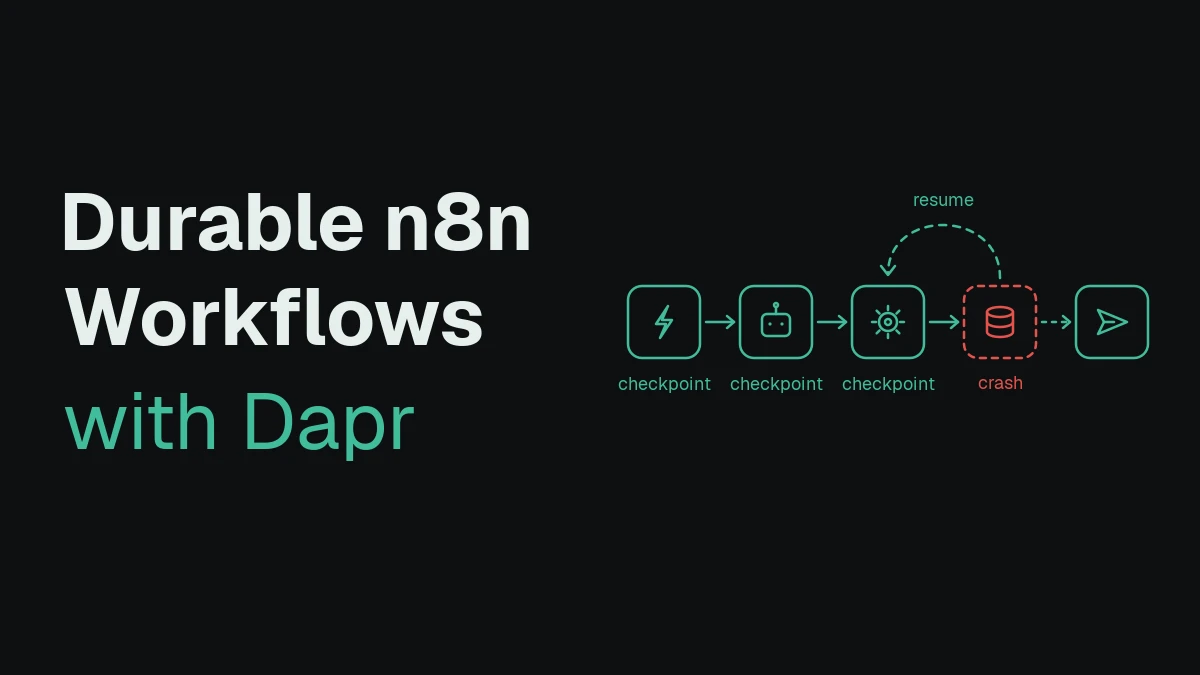
Build visually in n8n. Execute durably with Dapr. Completed nodes stay completed, even when the worker crashes.
October 6, 20268 min
Build visually in n8n. Execute durably with Dapr. Completed nodes stay completed, even when the worker crashes.
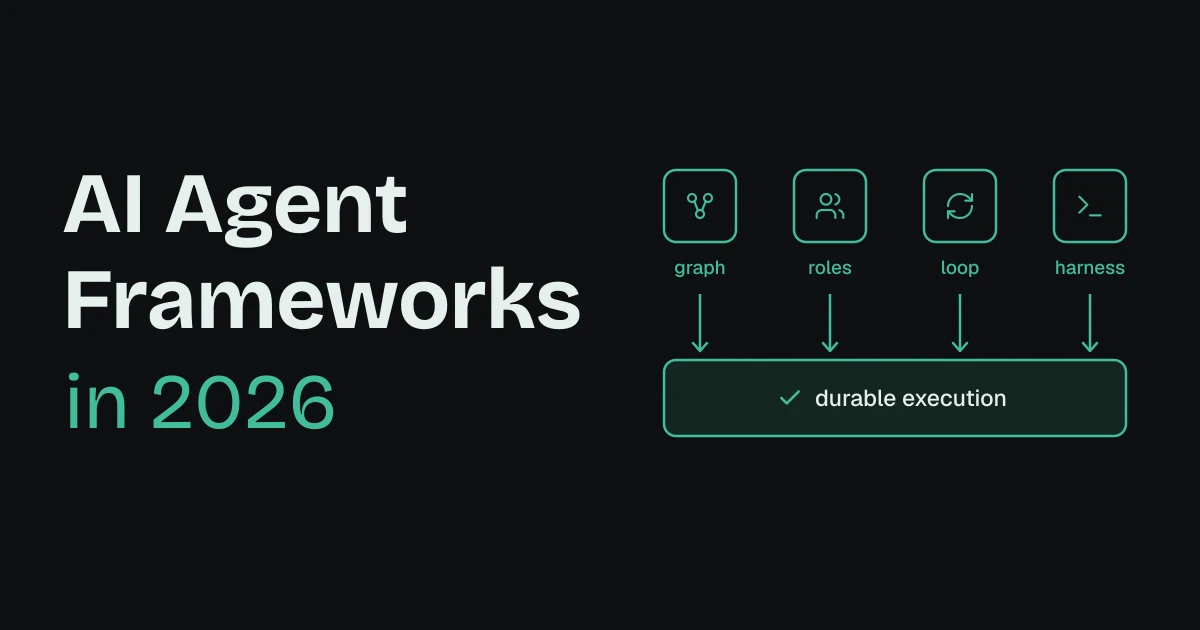
A practical comparison of 17 AI agent frameworks: programming model, languages, multi-agent support, and what each one keeps when a run crashes.

Previously reserved for paying customers, features now provided for free include multi-cluster management, best practice advisor, and automatic Dapr rollouts.
Multi-cluster management, automated upgrades, 150+ metrics, and best-practice advisories are now free for every Dapr team. No credit card, no trial period.
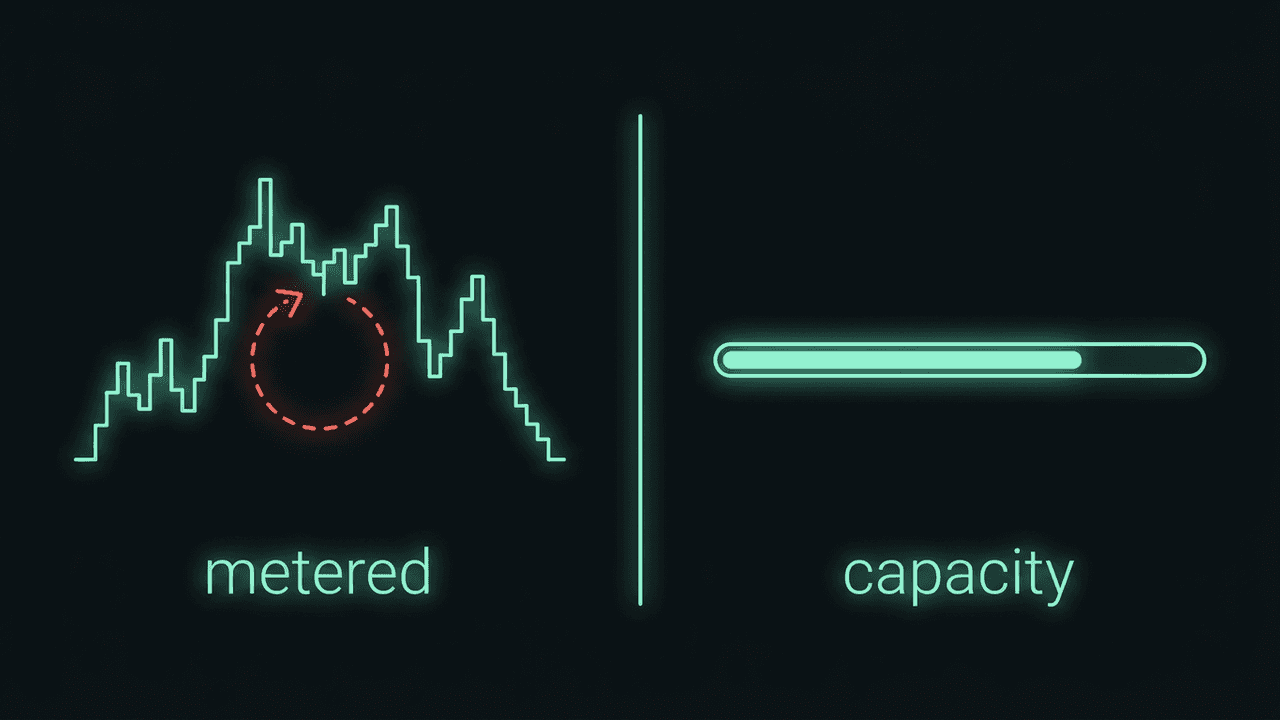
Durable execution pricing falls into usage and capacity models. See what each meter counts and how agentic workloads affect both.
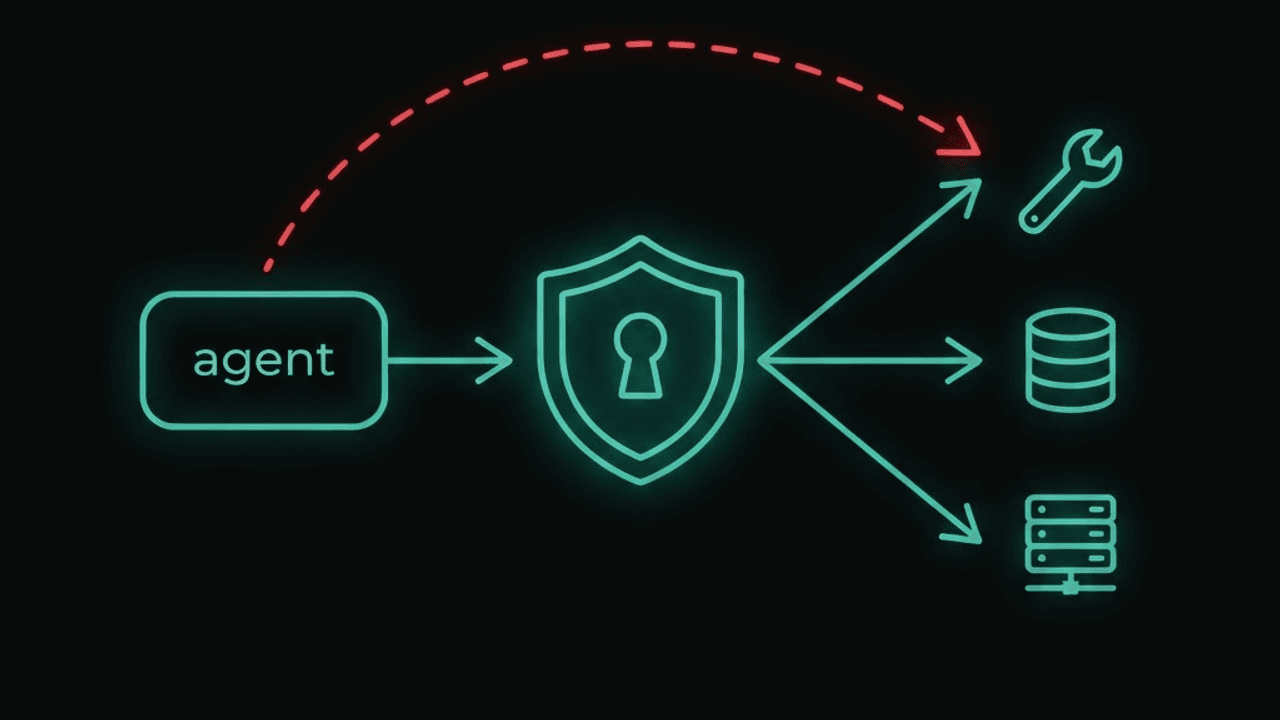
Gateways, identity vendors, cloud platforms, and durable runtimes each cover one piece of agent security. Learn the 8 questions that expose the gaps in an AI agent security stack.
Before an AI agent reaches production in a bank, risk review moves past model performance. Learn the 9 execution-control questions and how to answer each one.
Prepare LangGraph agents for production with 12 checks covering failure handling, recovery, retries, identity, observability, deployment, and more.
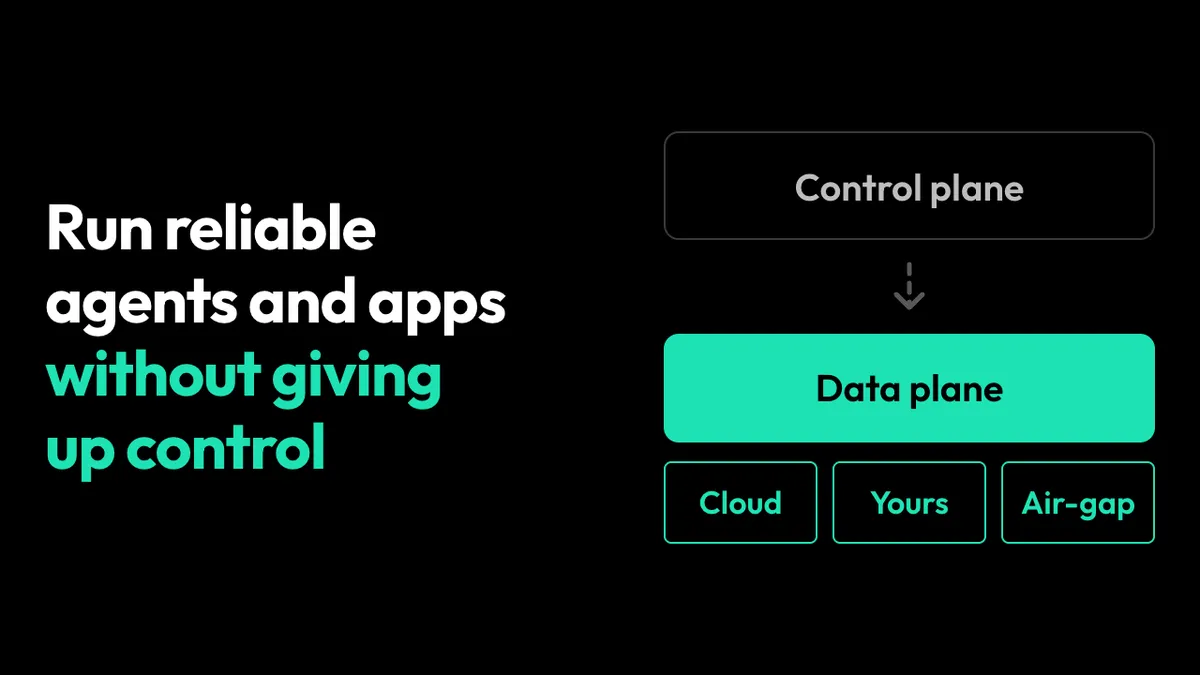
Run Diagrid Catalyst in our cloud, on dedicated infrastructure, in your own AWS or Azure account, or fully air-gapped. Compare all five deployment models.
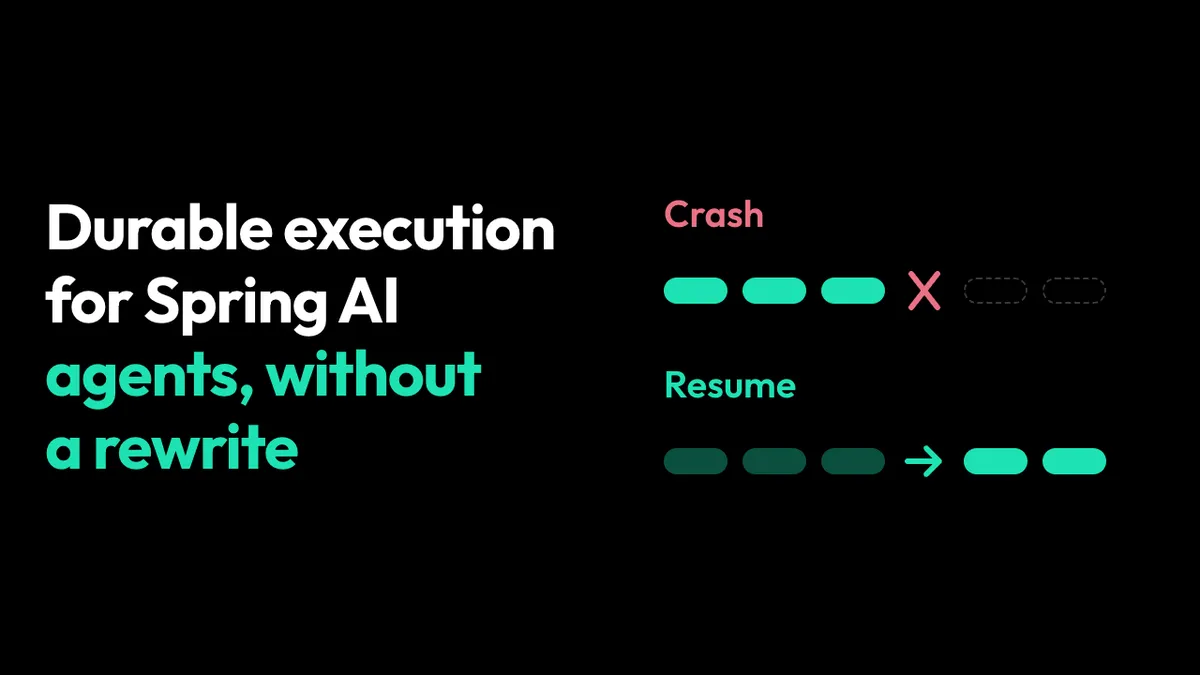
Diagrid's new Spring AI integration brings durable execution to your agents. Add one dependency, crash the process mid-run, and watch the agent finish the job.
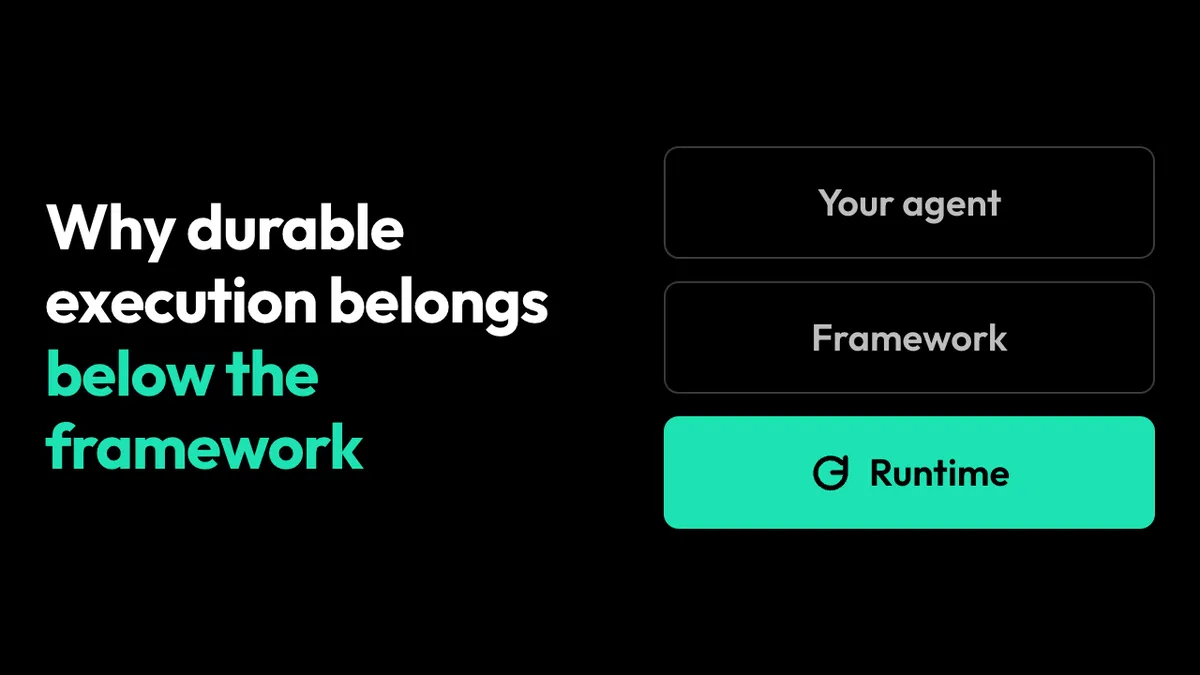
Agent frameworks make three different persistence promises. Learn why only a runtime below the framework can detect failure and finish a Spring AI agent's run.
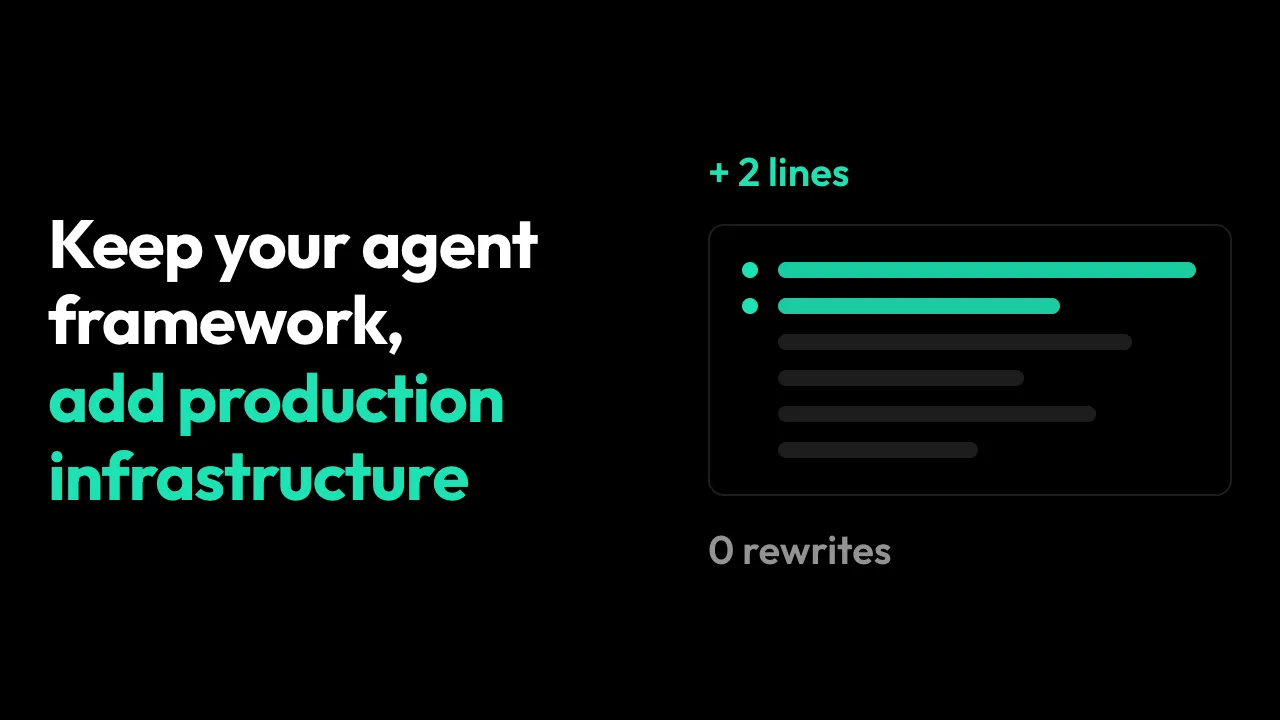
Add durable execution to LangGraph, CrewAI, ADK, or Strands agents with one package and a wrapper. See how Diagrid Catalyst keeps your framework intact.
Hidden flags, durable Go agents, and two talks. Cassie Coyle and Sam Kendziora recap GopherCon 2026 — and the CTF challenge is still open until August 28.
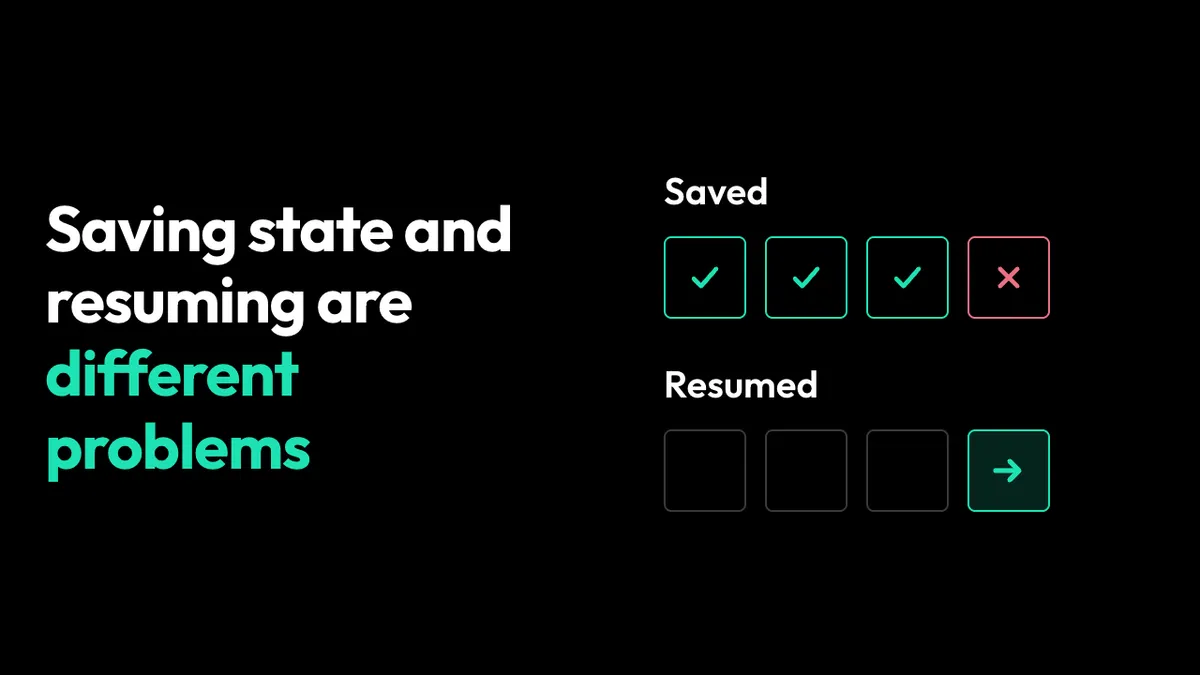
Saving state is the easy half. Resuming from the failing step is the half that decides whether your agent reaches production.
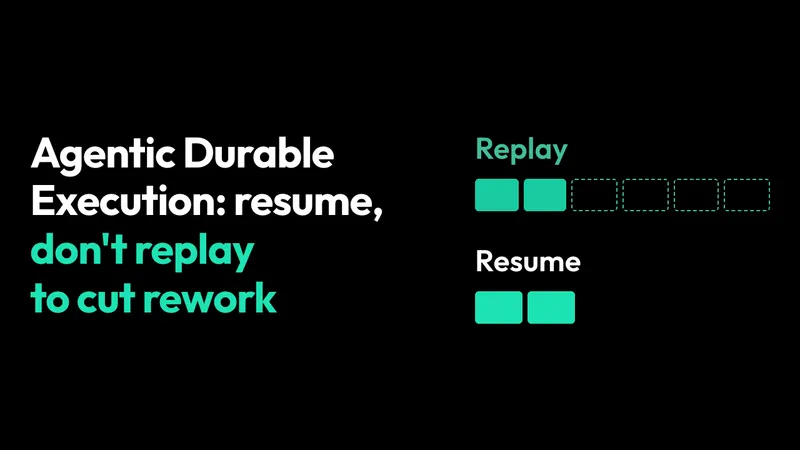
Long-running AI agents re-spend tokens on every completed step after a failure. Agentic durable execution ends the rework by resuming at the failure point instead of restarting from the top.

If you ship software into the EU with Dapr inside it, the CRA makes those vulnerabilities yours to remediate. Reporting obligations start 11 September 2026.
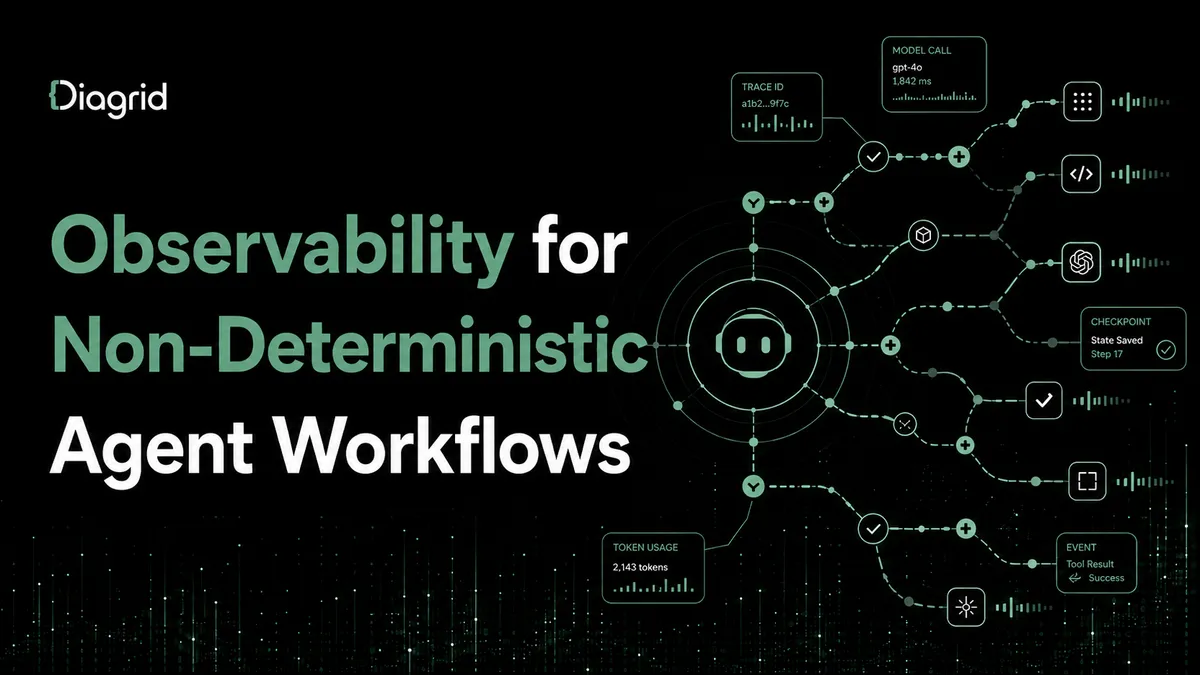
When an agent fails overnight, the record is already there. Diagrid Catalyst captures each step and the identity behind it from the runtime, with no instrumentation to maintain.
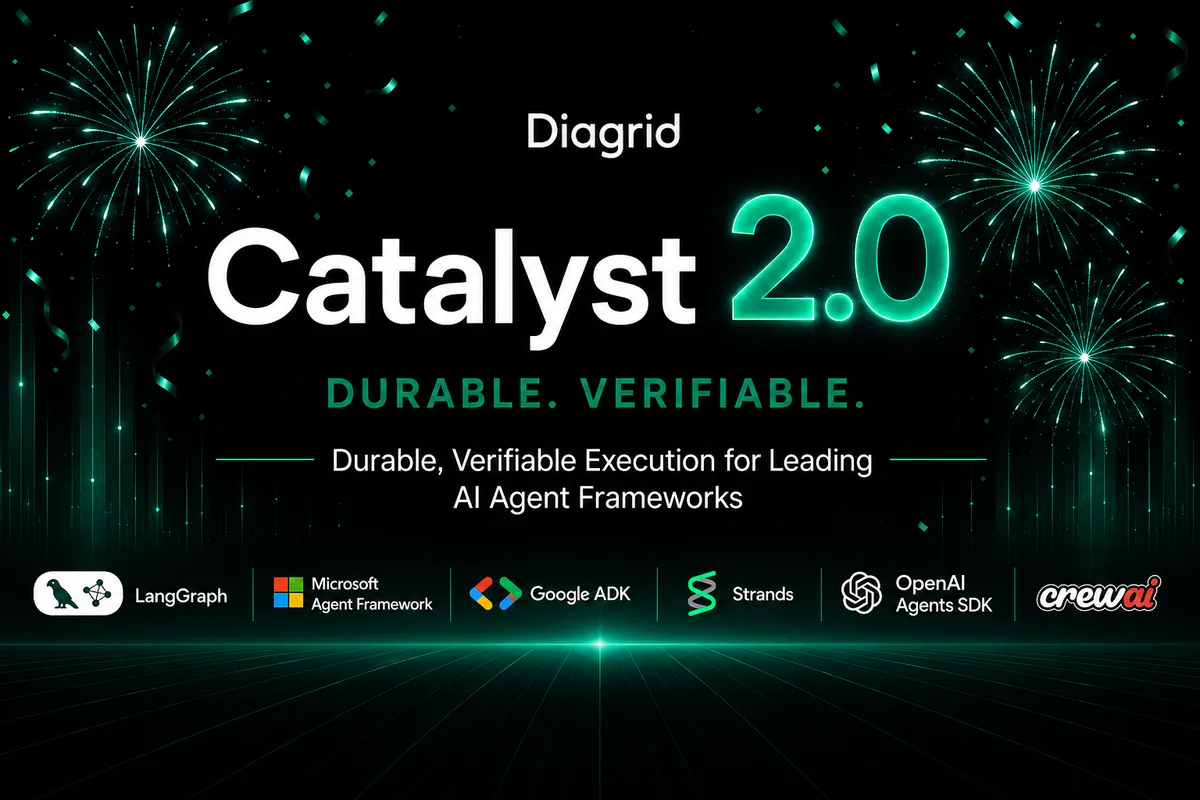
New release lets developers add cryptographic trust and automatic failure recovery to AI agents built on any major framework, without rewriting application code.
