
Agent Security
How should MCP and agent-to-agent protocols share identity context?
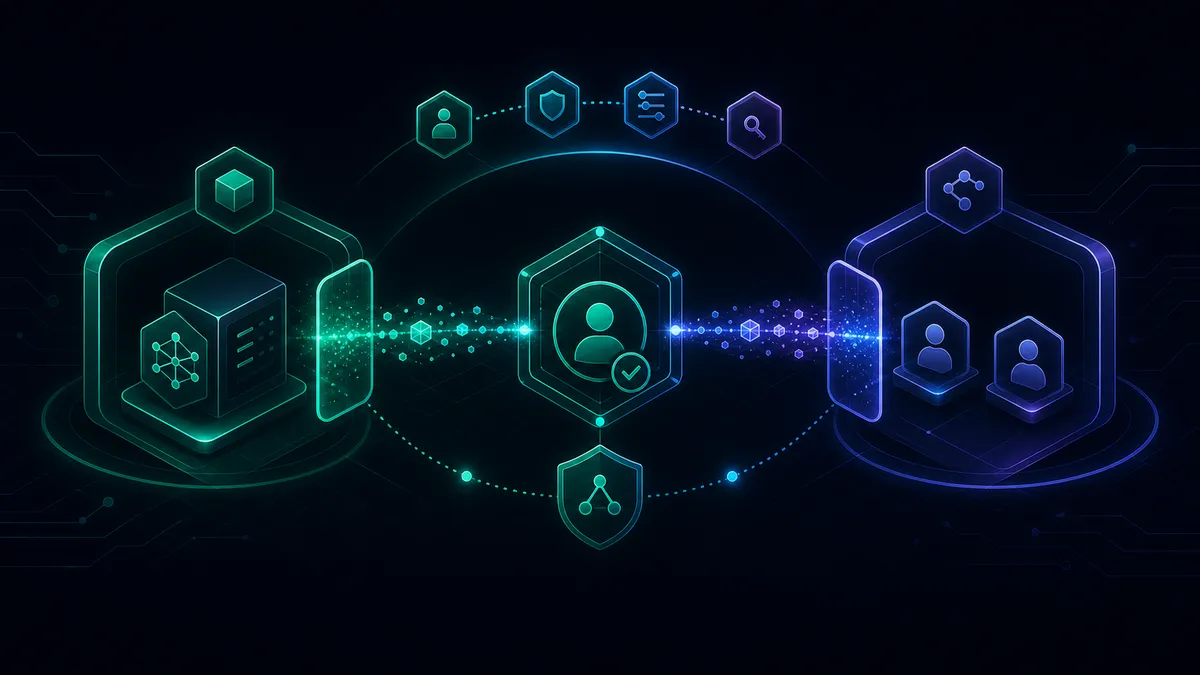
MCP and agent-to-agent protocols should share identity context through explicit workload identities and policy-aware execution, not through informal headers or broad shared credentials. When one agent calls another agent, and that agent calls an MCP tool, the system should preserve enough context to evaluate access and audit the chain. Teams need to know which workload originated the request, which component forwarded it, and which policy applied at each hop. Diagrid's zero-trust framing is useful here: identity, mTLS, and policy should travel with the architecture instead of being bolted on at one gateway.
Was this article helpful?
Your feedback helps improve Diagrid's FAQ experience.
Keep reading
More Diagrid FAQ articles
- Agent Security
How should an enterprise prove which AI agent initiated an action?
An enterprise should prove which AI agent initiated an action by assigning the agent a verifiable workload identity and recording the execution path.
- Agent Security
Why is workload identity different from a user account for an agent?
Workload identity identifies software, services, agents, or tools, while a user account identifies a person.
- Agent Security
Where is cryptographic identity useful in agent-to-tool calls?
Cryptographic identity is useful when an agent must prove its identity to a tool or service before access is granted.
