
Agent Security
Why is workload identity different from a user account for an agent?
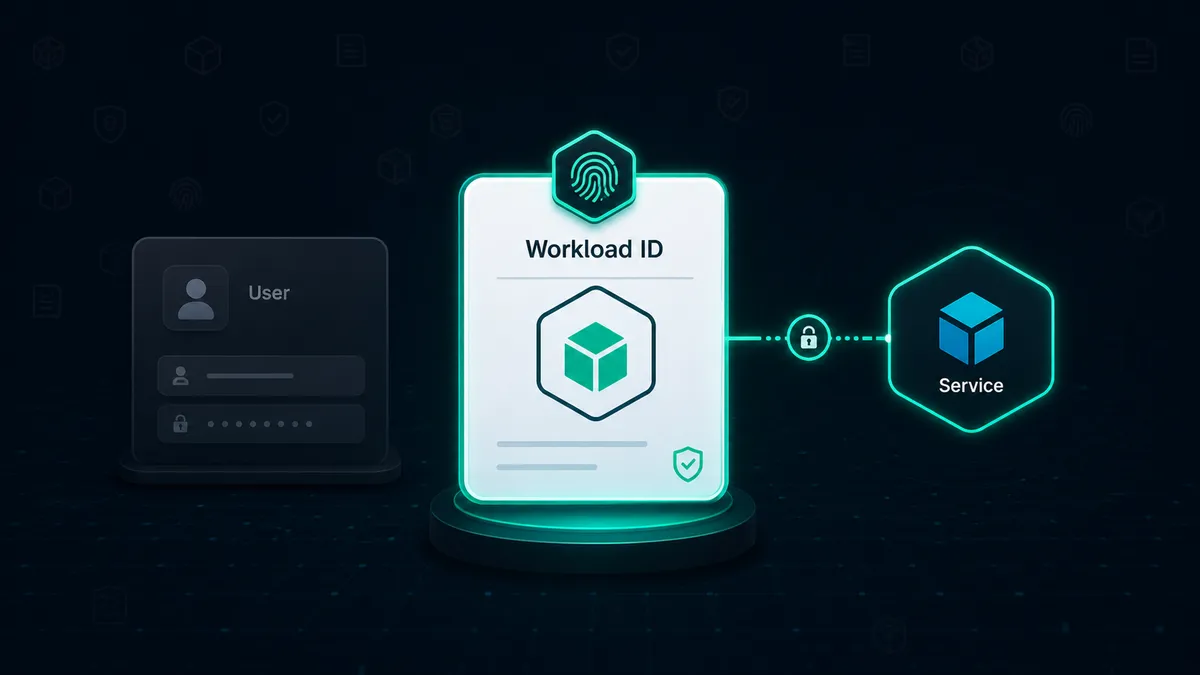
Workload identity identifies software, services, agents, or tools, while a user account identifies a person. This distinction matters because an AI agent may keep running after a user prompt, call tools in the background, or communicate with other services. If all actions are tied only to a human user, the enterprise may not know which agent or component actually made a request. Workload identity gives each running component its own identity, which can be authenticated, authorized, logged, and rotated. Diagrid Catalyst uses workload identity as part of its agent and MCP server security model.
Was this article helpful?
Your feedback helps improve Diagrid's FAQ experience.
Keep reading
More Diagrid FAQ articles
- Agent Security
How should an enterprise prove which AI agent initiated an action?
An enterprise should prove which AI agent initiated an action by assigning the agent a verifiable workload identity and recording the execution path.
- Agent Security
Where is cryptographic identity useful in agent-to-tool calls?
Cryptographic identity is useful when an agent must prove its identity to a tool or service before access is granted.
- Agent Security
What role can SPIFFE or SVIDs play in agent workload identity?
SPIFFE provides a standard way to identify software workloads, and SVIDs are the verifiable identity documents used in that model.
