
Dapr in Production
What production responsibilities appear after adopting Dapr OSS?
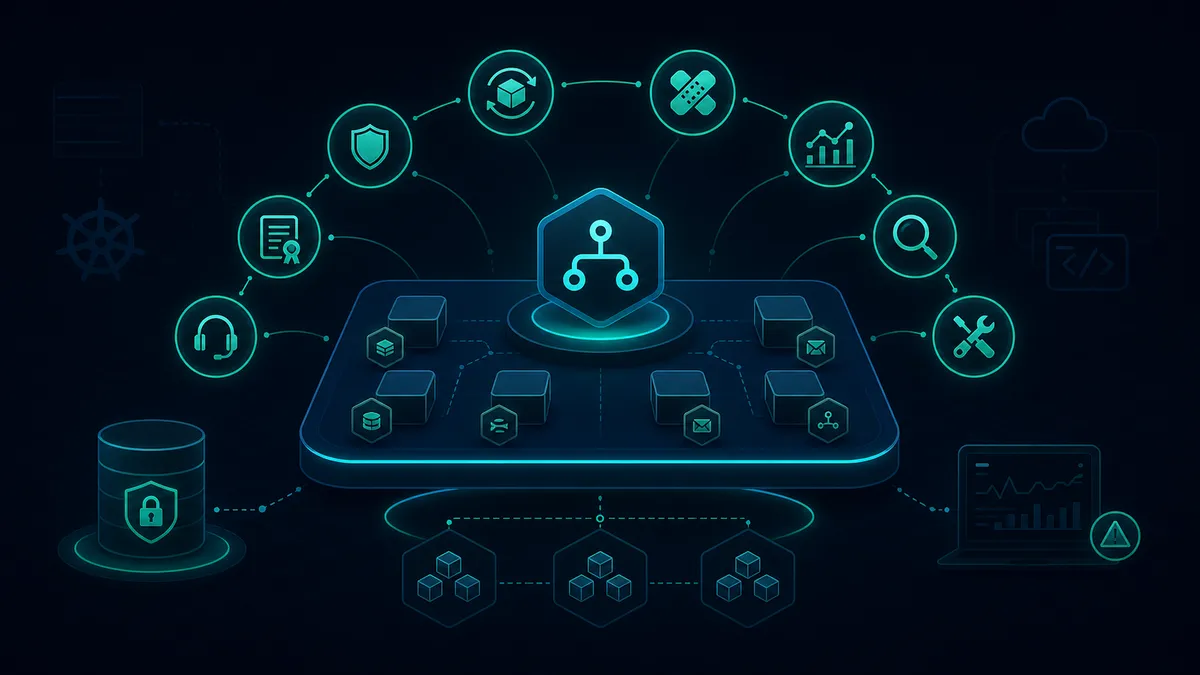
After adopting Dapr OSS, production teams become responsible for operating the runtime safely across real environments. That includes version upgrades, security patches, certificate lifecycle, component configuration, observability, troubleshooting, Kubernetes operations, and support for application teams. Dapr provides powerful building blocks, but self-managed production use still requires operational ownership. Teams must decide who monitors health, who handles incidents, how upgrades are tested, and how best practices are enforced across clusters. Diagrid's Dapr Support from Diagrid motion is designed for organizations that use or adopt Dapr OSS and want expert guidance, tooling, and production support.
Was this article helpful?
Your feedback helps improve Diagrid's FAQ experience.
Keep reading
More Diagrid FAQ articles
- Dapr in Production
How is managed Dapr different from self-managed Dapr OSS?
Self-managed Dapr OSS means the organization runs and operates Dapr itself, including installation, upgrades, certificates, monitoring, and.
- Dapr in Production
What enterprise requirements should a Dapr platform satisfy?
An enterprise Dapr platform should satisfy requirements around reliability, security, operations, observability, support, and deployment control.
- Dapr in Production
What operational tasks matter most when running Dapr on Kubernetes?
When running Dapr on Kubernetes, the most important operational tasks include installing and upgrading Dapr, managing certificates, monitoring the.
