
1–23 December 2026
Advent of Workflow
Join the Advent of Workflow, learn about building durable workflows with Dapr and Diagrid and win prizes!
Twelve Dapr Workflow challenges, one every other day from 1 to 23 December 2026. Run by Diagrid, open to everyone!
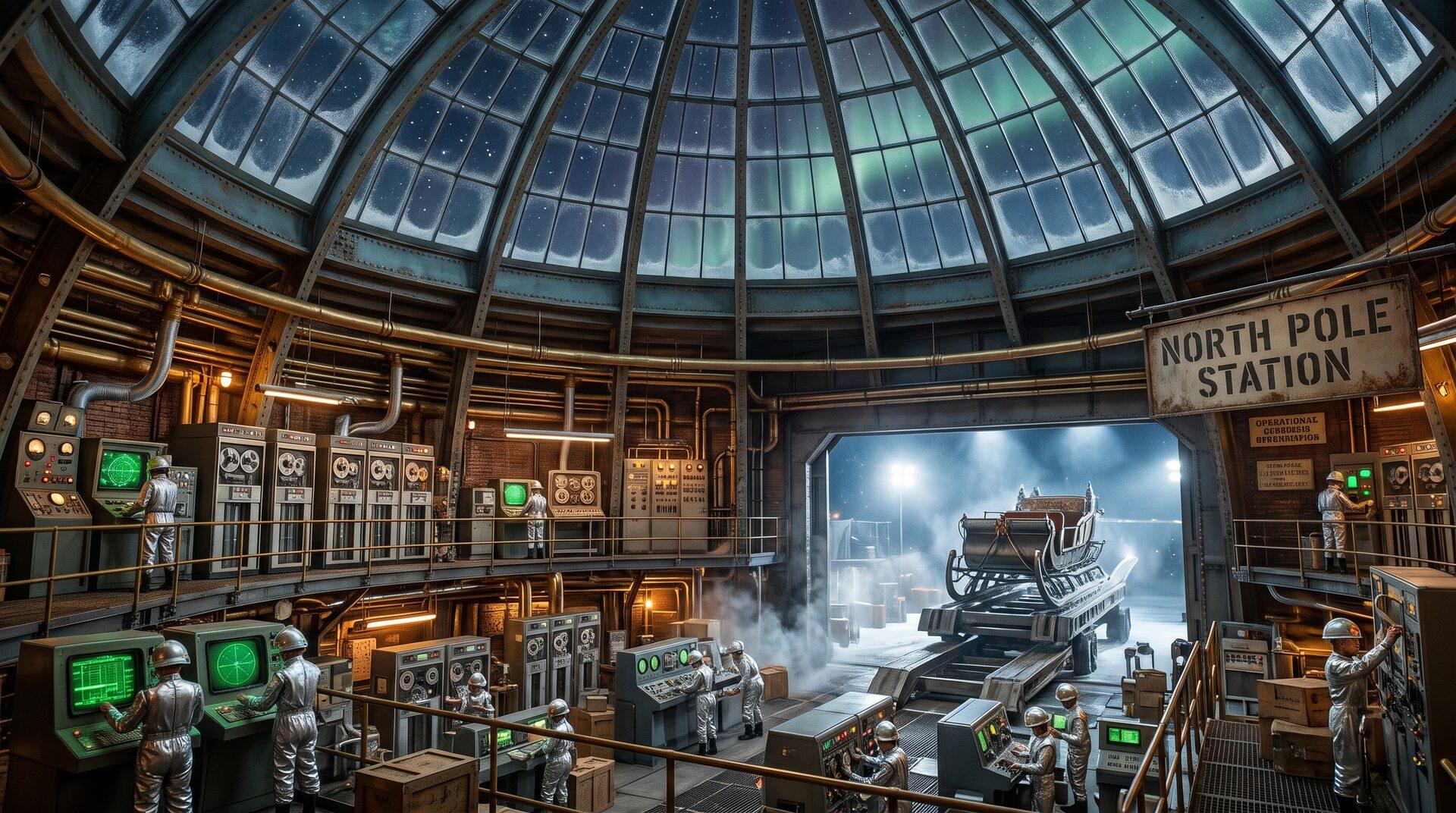
North Pole Station has run on TINSEL — Tracking, Inventory, Scheduling and Elf Logistics — since 1957, and the old mainframe is finally failing: it drops jobs halfway through and keeps no record that they ever started. It cannot be taken down for repair, because the launch window does not move. So the station is being rebuilt one subsystem at a time, as durable workflows, and that is what each challenge asks you to build.
You can build the challenges with either Dapr OSS or Diagrid. More information is in the Advent of Workflow repo.
Pass all twelve, earn the badge, and compete to win a LEGO Game Boy set!
A digital Holopin award for everyone who passes all twelve challenges. You can earn it on open source Dapr alone. Two LEGO® Game Boy™ sets go to the participants who ran the most optional Diagrid steps.

LEGO® is a trademark of the LEGO Group. Game Boy™ is a trademark of Nintendo. Neither sponsors, endorses or is connected with Advent of Workflow.
Register
Registering signs you up for the twelve challenge emails and lets us reach you about the badge and the prizes.
How it works
A challenge is a small, self-contained workflow app. Read the brief, build it, show it running, submit it.
- 1
Register
Give us your email, your GitHub handle and where you are with Dapr. Your email is how you get the digital badge and how we contact the winners of the two LEGO sets. Every challenge is emailed to you and also published as a GitHub issue.
- 2
Fork the challenge repo
Fork the challenge repo and set up your machine once: Dapr 1.19 or newer, a toolchain for the language you like, and the free Dapr Dev Dashboard. No account needed for any of it.
- 3
Build the workflow
Each challenge names a workflow pattern and what done looks like. Build it in your fork, one directory or branch per challenge (for example challenge-01/), by hand or with an AI agent, in any language Dapr Workflow supports.
- 4
Prove it ran
Run it on open source Dapr, watch the run in the Dev Dashboard and screenshot the workflow run detail page. Optionally, also run it on Diagrid and screenshot the workflow diagram. The screenshot is your evidence.
- 5
Open a submission issue
Open a submission issue in the leaderboard repo: pick the challenge number, link your work and drag the screenshot into the issue. One issue per challenge, never a pull request.
- 6
Get a pass or a fail
Reviewed within a day, or a working day over the holidays (24 December to 3 January). A fail tells you what is missing and you can fix it and resubmit once. Your rank is simply how many challenges you pass.
The dates
A challenge drops every other day in December 2026.
- 1 DecChallenge 1
- 3 DecChallenge 2
- 5 DecChallenge 3
- 7 DecChallenge 4
- 9 DecChallenge 5
- 11 DecChallenge 6
- 13 DecChallenge 7
- 15 DecChallenge 8
- 17 DecChallenge 9
- 19 DecChallenge 10
- 21 DecChallenge 11
- 23 DecChallenge 12
Submissions close
Sunday 3 January 2027, 23:59 CET
Results announced
Wednesday 13 January 2027
You can start late. Rank is a count of passes, not of when you started, so a late joiner can still climb until submissions close.
Where it happens
Challenges are published as GitHub issues and emailed to you. Every challenge issue has the same shape: what to build, what done looks like, which view proves it, what the reviewer checks, and the optional Diagrid bonus. Ask questions in a comment on the challenge issue. Submissions and the standings live in a second repo, so the repo you fork stays clean.
