DevOps Paradox: Stop Reinventing The Wheel - Use Dapr Instead
Dapr emerged from a recurring problem in many organizations: teams repeatedly build the same distributed-system infrastructure — service discovery, inter-service communication, messaging, state management, secrets, retry & resilience logic — every time they start a microservices or distributed-application project.
Rather than having every team “reinvent the wheel,” Dapr codifies those common patterns into a unified set of APIs that developers can call directly from their applications.
Dapr was born in the context of modern container-based / microservices platforms (most commonly Kubernetes), where needing to wire up all plumbing manually becomes error-prone and laborious.
Design: What Dapr Provides
At its core, Dapr offers language-agnostic, framework-agnostic APIs (via HTTP or gRPC) for essential distributed-system patterns: service invocation (RPC between services, with discovery, routing, retries, security), pub/sub messaging, state storage, secrets management, and more.
Dapr runs as a lightweight sidecar alongside application processes. That sidecar intercepts calls from the application and translates them into infrastructure-specific behavior, abstracting away configuration such as ports, brokers, and backend services.
Importantly, Dapr decouples application code from the infrastructure implementation: the same API can work regardless of whether you use Kafka, RabbitMQ, AWS SNS, HashiCorp Vault, a cloud secrets store, or another backend. Switching components (e.g. replacing Kafka with another broker) only requires configuration changes — the application code remains untouched.
Because of these abstractions, developers don’t need to write boilerplate for service discovery, retries, serialization, broker integration, or secrets handling. Instead they rely on Dapr, reducing complexity, duplication, and risk of subtle bugs in distributed behavior.
When to Use Dapr
Dapr works both for greenfield projects (built from scratch) and brownfield applications (existing applications being modernized or migrated).
A common scenario is migrating a monolithic or traditional service-based app to Kubernetes or another cloud-native infrastructure: Dapr can be introduced to handle inter-service communication, messaging, state, secrets — without rewriting the whole application.
Another scenario: organizations that start with one message broker (e.g. Kafka) but later need to switch to another (e.g. RabbitMQ, SNS, Pulsar) — Dapr’s component model enables swapping backends without touching application logic.
How Dapr Differs from Service Mesh / Orchestration
Dapr overlaps with some aspects of service meshes (e.g. service-to-service invocation), but it operates at the application level rather than purely network layer. That means Dapr provides container-level/ process-level identity and application-level APIs, rather than just routing and load balancing at the network level.
Orchestration platforms such as Kubernetes remain useful for deployment and scaling — but they don’t solve application-level concerns like messaging, state, secrets, reliability, or retries. Dapr fills this crucial gap.
Implications for Application Development
Using Dapr can significantly reduce boilerplate and infrastructure-specific code in distributed applications. Developers get a consistent API for common patterns regardless of infrastructure, which improves portability, maintainability, and reduces coupling to specific cloud or broker technologies.
It simplifies transitioning legacy or monolithic apps into microservices or cloud-native deployments, because developers don’t need to build distributed-system plumbing themselves. It also makes it easier to evolve infrastructure (swap brokers, secrets/ state stores, cloud vendors) without rewriting application logic.
Moreover, by standardizing cross-cutting concerns — such as service invocation semantics, fault-tolerance, serialization, secret handling — Dapr reduces the risk of subtle bugs and inconsistencies that often arise when teams each implement their own distributed logic.
More podcast episodes
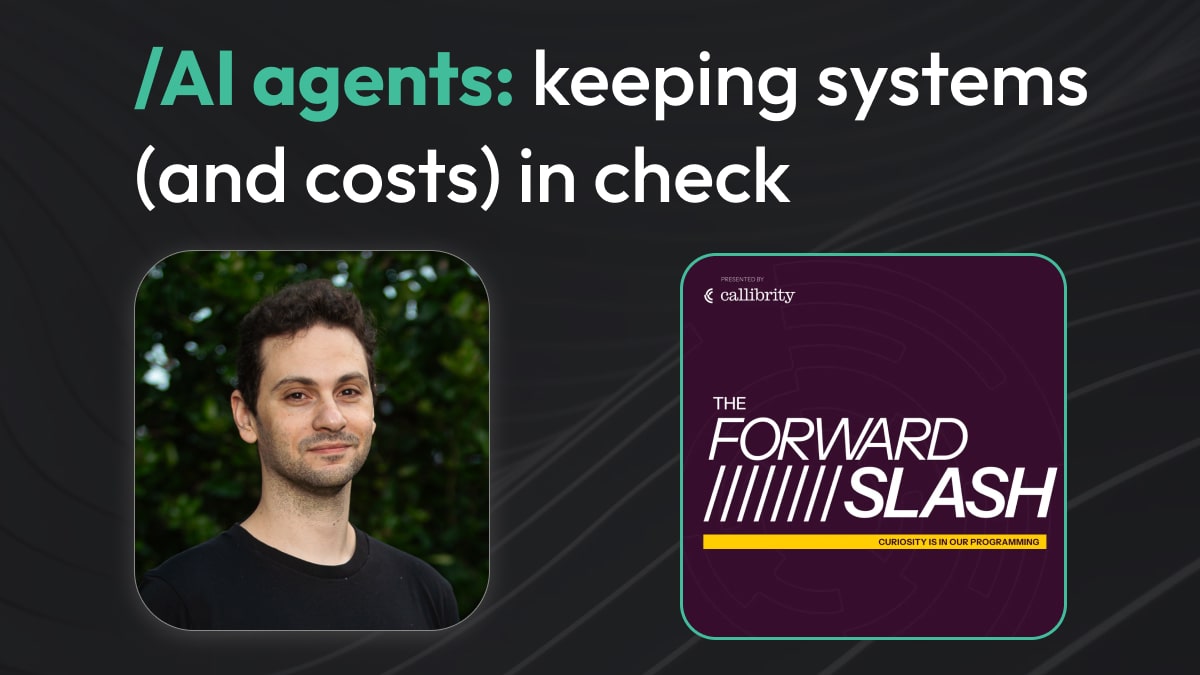
/AI Agents: Keeping systems (and costs) in check
Can your AI agents survive production AND your budget? In this episode, Yaron Schneider, CTO and co-founder of Diagrid and creator of the foundational open-source tools Dapr and KEDA, unpacks what it takes to build AI agents that are durable, cost-aware and enterprise-ready.

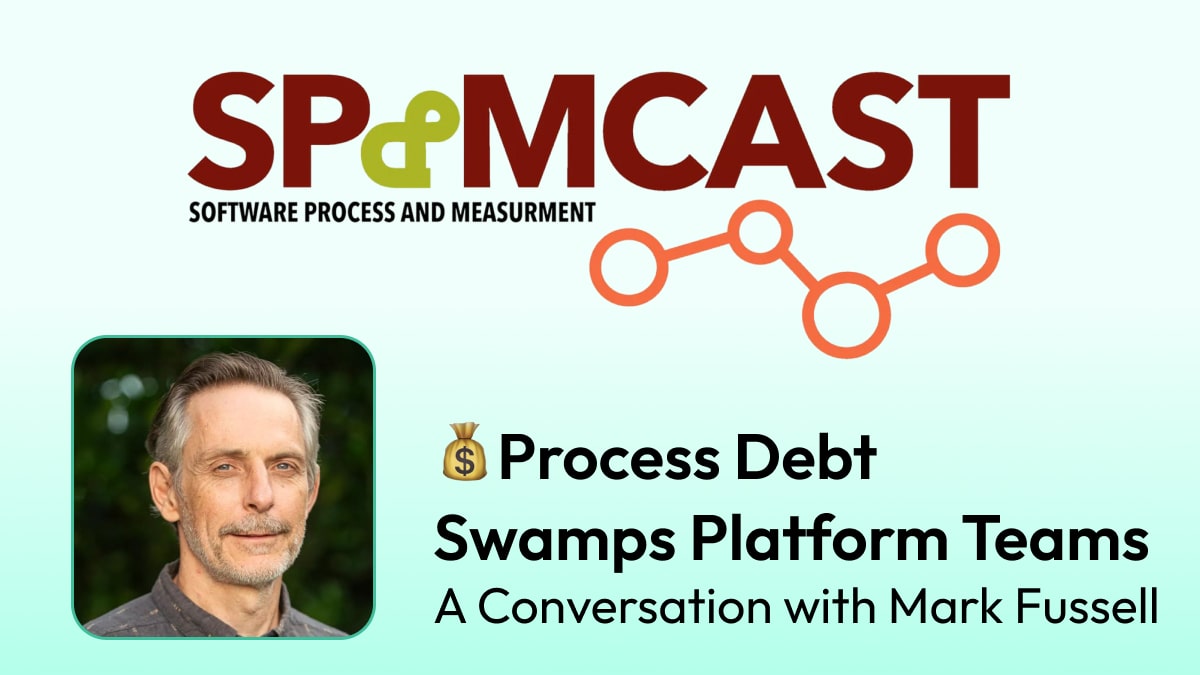
Process Debt Swamps Platform Teams, A Conversation with Mark Fussell, SPaMCAST 879
Mark Fussell dives into a challenge that’s becoming increasingly common in modern engineering organizations: process debt — and how it’s quietly overwhelming platform teams.
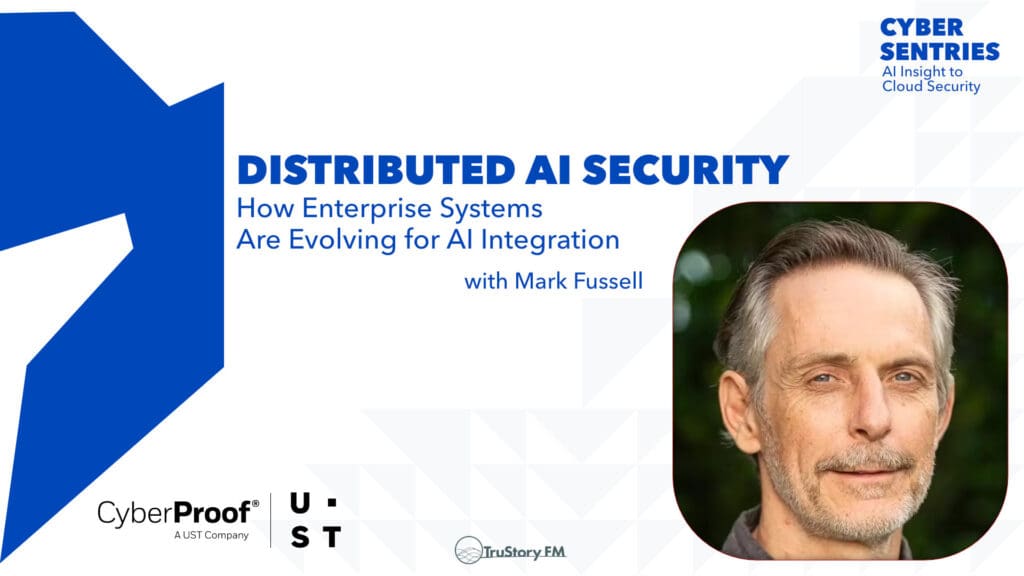
Distributed AI Security: How Enterprise Systems Are Evolving for AI Integration
Mark Fussell shares insights from his extensive experience in distributed systems and discusses how modern architectures are evolving to incorporate AI capabilities.
